
Sensitive-Skin Grooming for Pets: Choosing the Right Shampoos, Rinses, and At-Home Routine
If your pet scratches constantly, has flaky or irritated skin, or gets red and uncomfortable after baths, you are not imagining things. Sensitive skin is one of the most common reasons pets end up at the veterinarian, and it can be caused by anything from environmental allergies and food sensitivities to flea reactions and underlying medical conditions. The tricky part is that the wrong grooming products or routine can actually make things worse, stripping away protective oils, irritating already inflamed skin, or missing early signs that something deeper is going on.
At Wales Animal Clinic, we see sensitive-skin cases across a wide range of species, from dogs and cats to rabbits, birds, and reptiles, and we know that grooming is not one-size-fits-all. Our diagnostic services help us identify what is driving your pet’s skin issues so we can recommend the right products and routine, not just a guess. If your pet’s skin has been giving them trouble, call us at (262) 968-2507 or contact us to schedule an appointment and get a plan that actually fits your pet.
What Makes a Pet’s Skin Sensitive?
Allergies are among the most common drivers of skin sensitivity. Environmental allergens (pollen, mold, dust mites) trigger immune reactions that make the skin reactive to contact with many products that would not bother a healthy pet. Flea allergy dermatitis is one of the most intense: a single flea bite can trigger weeks of itching in a sensitized pet. Food sensitivities, endocrine conditions like hypothyroidism, and hereditary skin disorders all contribute to individual variation in how a pet’s skin responds.
The skin barrier is the underlying piece that ties most sensitive-skin conditions together. A healthy skin barrier holds moisture in, keeps allergens and irritants out, and maintains the balanced microbiome of bacteria and yeast that lives on every pet’s skin. When that barrier is compromised by allergies, infection, harsh products, or genetic conditions, the skin becomes both drier and more reactive. Restoring the barrier through appropriate bathing, conditioning, and supplementation is often as important as treating the trigger that caused the problem in the first place.
In Wisconsin’s seasonal climate, environmental allergen patterns shift significantly from season to season, which is why sensitive-skin pets often have predictable patterns of improvement and worsening that correlate with pollen calendars and mold counts.
Signs that suggest your pet needs a more tailored grooming approach:
- Persistent scratching, licking, or chewing after baths
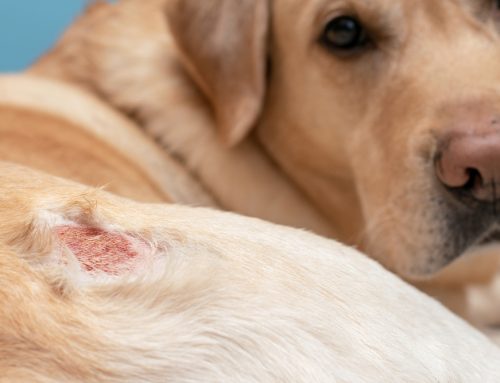
- Redness or hive-like bumps developing after product contact
- Flaky, greasy, or thickened skin
- Hair loss in areas frequently scratched or licked
- Recurring ear infections alongside skin problems
- Strong skin odor between baths
Year-round parasite prevention is non-negotiable for allergic pets. In Wisconsin, fleas remain active through mild autumn stretches; a single bite to a flea-allergic pet triggers weeks of misery. Consistent prevention removes this trigger entirely.
Why Grooming Matters for Skin Health
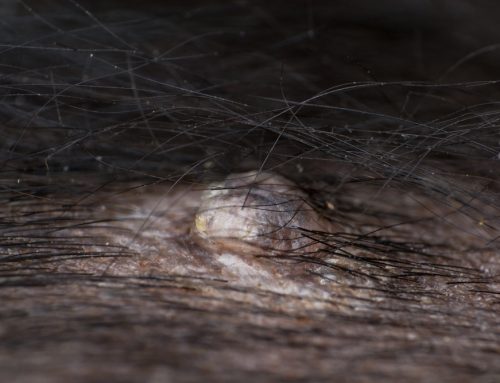
Regular grooming does several things for a sensitive-skin pet: it removes allergens (pollen, dust, dander) from the coat before they can continue irritating skin; it distributes natural oils that support the barrier function of healthy skin; it prevents matting that traps moisture and creates an environment where bacteria and yeast thrive; and it gives you a regular opportunity to notice new lesions, lumps, or parasites before they become significant problems.
Frequency depends on coat type, lifestyle, and skin condition. Allergic pets often benefit from more frequent bathing during high-allergen seasons. Short-coated dogs and cats may need less frequent full baths but benefit from regular wipe-downs.
Senior Pets and Grooming Adaptations
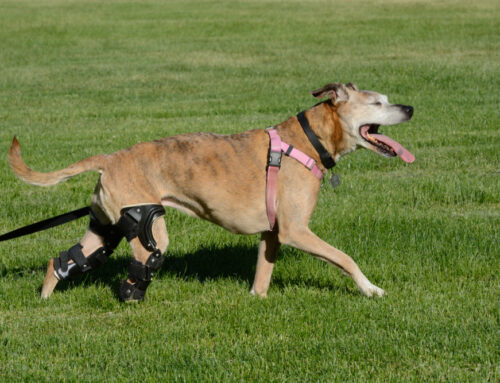
Older pets may have thinner skin, reduced self-grooming ability due to arthritis or dental pain, and increased sensitivity to product contact. Senior cat grooming requires shorter, more frequent sessions rather than extended ones, and attention to areas the cat can no longer reach comfortably, particularly the lower back and tail base.
Common Household Irritants Worth Knowing About
For sensitive-skin pets, what touches the body between baths matters as much as what happens during them. Laundry detergents and fabric softeners on bedding, scented carpet powders, certain floor cleaners, and even residue from human personal care products can all trigger flares known as contact hypersensitivity. If your pet has unexplained worsening of skin signs that does not match the typical seasonal pattern, walk through what changed in the household environment recently: a new cleaning product, a different bedding wash routine, scented candles, plug-in air fresheners, or a new fabric softener.
Switching to fragrance-free, dye-free laundry products for pet bedding and washing the bedding weekly during flare periods are two of the simplest changes that produce real improvement in sensitive-skin pets. Vacuuming with a HEPA filter and damp-mopping hard floors more frequently during high-pollen weeks reduces the allergen load the coat picks up off the floor. Small environmental changes layered together often achieve what no single shampoo can do alone.
Choosing the Right Shampoos and Rinses
The most important rule for sensitive-skin pets: avoid human shampoos entirely. Human skin pH is acidic; dog and cat skin pH is more neutral, and products formulated for human pH disrupt the skin barrier and strip protective oils in pets.
What to look for in sensitive-skin products:
- Fragrance-free formulas: synthetic fragrances are common irritants
- Hypoallergenic base ingredients: fewer ingredients overall reduces reaction risk
- pH-balanced for the specific species: dog products are not interchangeable with cat products
- No harsh surfactants, alcohol, or parabens
- Moisturizing agents: oatmeal, aloe vera, glycerin, ceramides
Our pharmacy carries a range of options appropriate for sensitive and allergic skin:
- Epi-Soothe Shampoo: soothing oatmeal-based formula for sensitive skin
- DermAllay Oatmeal Shampoo and Spray Conditioner: hydrating relief for dry, itchy skin
- DOUXO S3 CALM Shampoo and Mousse: specifically formulated for atopic and sensitive skin
For pets managing chronic skin conditions alongside grooming, our pharmacy carries omega-3 supplements that reduce systemic inflammation, as well as dog skin diets and cat skin diets that help heal from the inside out.
A Step-by-Step Bathing Routine for Sensitive Skin
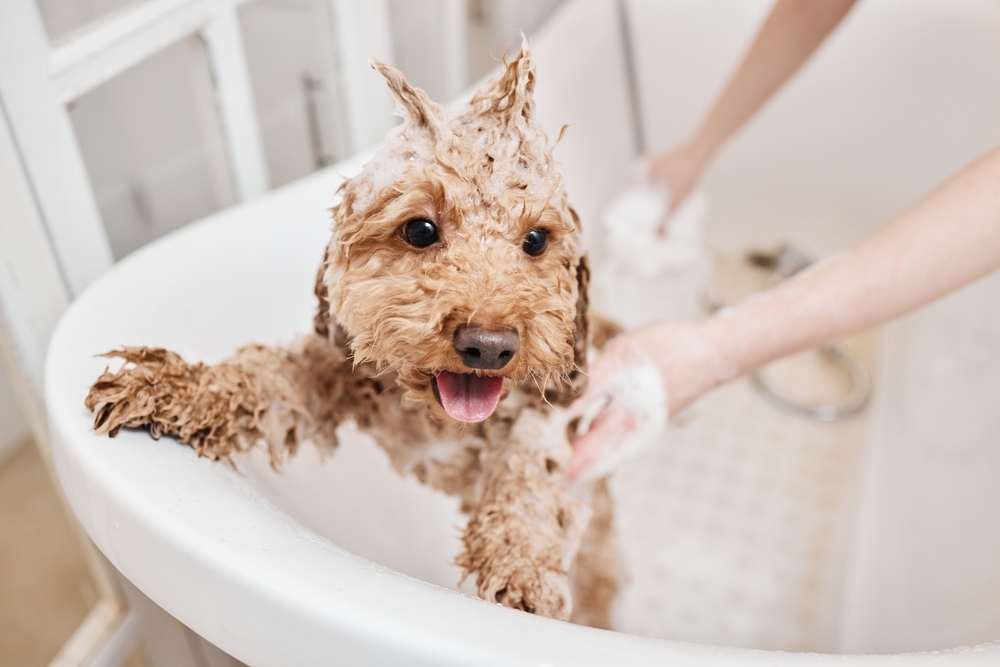
- Brush before bathing to remove loose hair and any mats; mats trap shampoo and moisture against skin
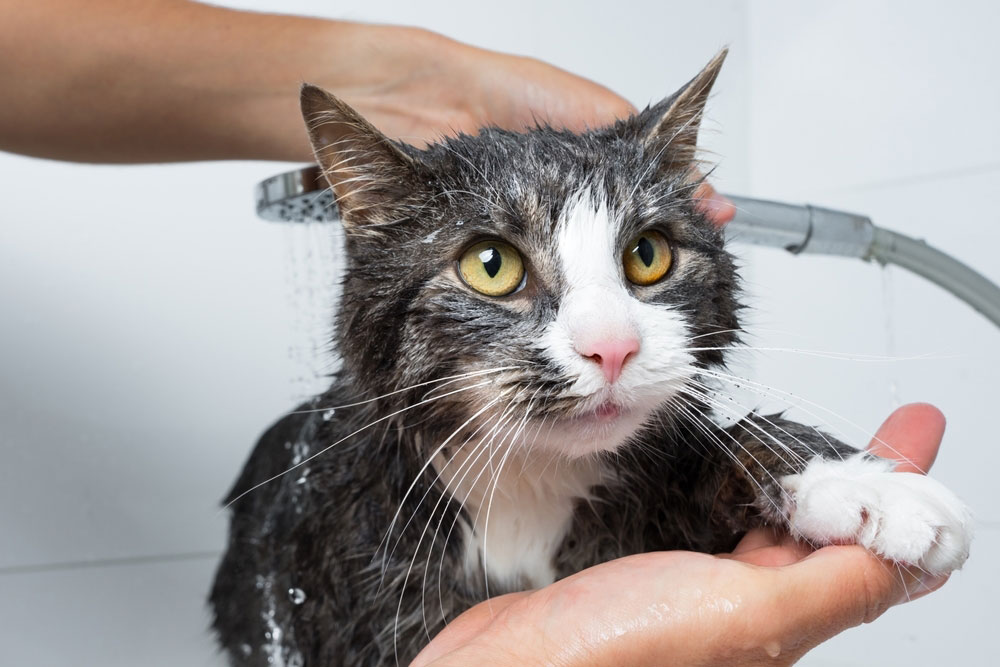
- Use lukewarm water throughout; hot water opens pores and increases irritant absorption
- Dilute shampoo according to product directions; applying concentrated product directly to skin increases irritant potential
- Apply gently, working from neck to tail and avoiding the face; use a damp cloth for the face rather than pouring water directly over it
- Allow contact time for medicated shampoos (typically 5 to 10 minutes); set a timer and use this period for gentle massage
- Rinse thoroughly until water runs completely clear; shampoo residue left on skin continues to irritate
- Pat dry rather than rubbing vigorously; a microfiber towel reduces friction on sensitive skin
- Use low-heat airflow if using a blow dryer; high heat dries the skin and can trigger flares
Cooperative care techniques, including short positive training sessions that build a pet’s comfort with handling and water, make the entire process less stressful and improve cooperation over time.
Ear, Dental, and Paw Care
Ear Care
Ear infections in allergic pets occur because the same immune dysfunction affecting the skin affects the ear canal lining. Pets with environmental or food allergies often have recurring ear infections as part of their condition.
Dental Care
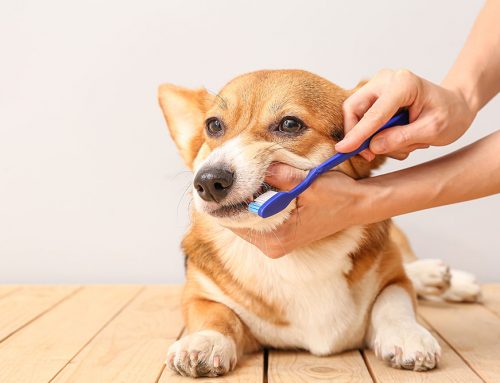
Brushing your dog’s teeth is part of overall health, and our dental care services provide professional cleanings when home care is not sufficient. Dental pain reduces self-grooming in cats; an oral health problem can manifest first as coat changes.
Paw Care
Paw protection includes regular inspection between the toes for debris, interdigital cysts, and early signs of inflammation. In allergic dogs, paw licking is often the most visible sign of allergy; keeping paws clean and dry reduces secondary infection.
Nail Trimming
Nail trimming is a core grooming element that affects posture and paw health. A nail trim guide provides a helpful introduction for families new to the process. Nail injuries from overgrown or brittle nails can cause secondary paw problems in pets already prone to paw inflammation.
When Grooming Changes Are Not Enough
At-home health checks during grooming help catch new lumps, wounds, parasites, and skin changes. But persistent or worsening skin issues despite appropriate grooming changes need veterinary evaluation. Recurrent infections, sudden hair loss, non-healing areas, or behavioral changes during grooming all warrant professional assessment rather than continued product switching.
Our wellness and prevention visits include skin and coat assessment as a standard component.
Frequently Asked Questions
How often should I bathe my sensitive-skin pet?
Most sensitive-skin dogs benefit from bathing every one to two weeks during high-allergen seasons and every three to four weeks otherwise. Over-bathing strips natural oils; under-bathing allows allergen accumulation. The right interval depends on your individual pet.
Can I use coconut oil or other home remedies?
Some home remedies are harmless; others worsen the underlying condition. Coconut oil applied to the skin can increase yeast growth in pets already prone to yeast infections. Check with us before adding any topical product.
Is changing food part of the grooming plan?
Sometimes. Food allergy drives skin inflammation that no grooming product can fully address. If the underlying cause is dietary, managing it through food is necessary alongside grooming support.
Is it okay to use a leave-in conditioner between baths?
For most sensitive-skin dogs, yes, as long as the product is veterinary-formulated and fragrance-free. A light leave-in spray helps maintain skin moisture during dry winter months and can extend the time between full baths comfortably. Avoid human leave-in products; they often contain fragrances and silicones that irritate pet skin.
A Grooming Plan That Actually Works
At Wales Animal Clinic, we treat a wide range of species and understand that each one has unique skin needs. Our approach combines diagnosis, product guidance, and a realistic at-home plan designed for your specific pet and household. Contact us at (262) 968-2507 to get started.