

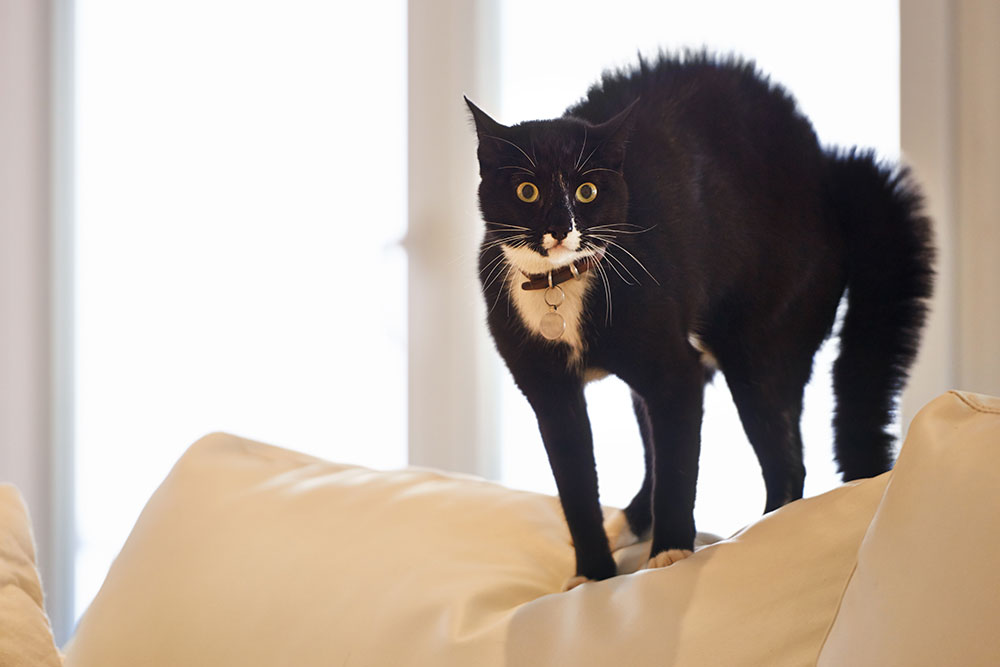
Thyroid Troubles: Understanding Hypothyroidism and Hyperthyroidism in Pets
Hormones quietly regulate nearly every system in your pet’s body, from metabolism and heart rate to skin health and behavior. When that balance shifts, the changes can be subtle at first. A dog who struggles to keep off the weight despite normal eating habits or a cat who seems restless, vocal, or cranky may be showing early signs of thyroid dysfunction. Because dogs and cats are affected by different thyroid disorders, these conditions are often misunderstood or mistaken for normal aging until symptoms become more disruptive.
At Wales Animal Clinic, we know that unexplained changes in your pet’s health deserve careful attention, not assumptions. Our team uses thoughtful history-taking alongside advanced diagnostic testing to evaluate hormone levels and identify underlying disease. By approaching thyroid concerns methodically and early, we can develop treatment plans that support long-term stability, comfort, and quality of life for your pet.
What the Thyroid Gland Does- and Why It Matters
The thyroid gland, located in your pet’s neck, acts like the body’s metabolic thermostat. It produces hormones that regulate energy use, body temperature, heart rate, and even skin and coat health. When thyroid hormone levels are too low or too high, your pet’s entire body feels the effects.
In dogs, an underactive thyroid- called hypothyroidism– slows metabolism, while in cats, an overactive thyroid- known as hyperthyroidism– speeds everything up. Both conditions are common, particularly in middle-aged and senior pets, but with early diagnosis and consistent care, they’re highly manageable.
Our veterinarians often identify thyroid imbalances during annual wellness exams, where we take time to assess subtle changes in weight, coat texture, or heart rate that owners might not notice day to day.
Causes and Risk Factors
Hypothyroidism in Dogs
In dogs, hypothyroidism most often develops due to autoimmune thyroiditis or idiopathic thyroid atrophy- conditions where the immune system or natural aging process damages thyroid tissue. Breeds such as Golden Retrievers, Doberman Pinschers, and Cocker Spaniels are more predisposed, but any dog can be affected.
Because this disorder progresses slowly, it can take months for signs like fatigue, weight gain, or hair loss to stand out. Routine bloodwork during wellness visits helps detect changes early, giving your dog the best chance at timely, effective treatment.
Hyperthyroidism in Cats
Hyperthyroidism is the most common endocrine disorder in older cats. It typically occurs when benign growths form on the thyroid gland, causing excess hormone production. Over time, this overactivity raises heart rate, blood pressure, and metabolic demand, leading to weight loss despite a big appetite.
Environmental factors and certain diets may also contribute, which is why our veterinarians take a holistic look at your cat’s lifestyle, diet, and environment when developing a treatment plan.
Why Early Detection Is So Important
Thyroid hormones affect nearly every system in the body, which means an imbalance can create a ripple effect of health problems if left unchecked. Preventive testing is especially vital for senior pets, whose organs are more sensitive to changes in metabolism and blood flow.
Unchecked hypothyroidism can lead to sluggishness, recurring skin infections, and chronic weight gain, while uncontrolled hyperthyroidism can strain the heart and kidneys, leading to secondary conditions that shorten a pet’s lifespan. Routine screening as part of your pet’s annual wellness care makes early intervention possible- and helps prevent more serious complications down the road.
Recognizing the Symptoms
Hypothyroidism in Dogs
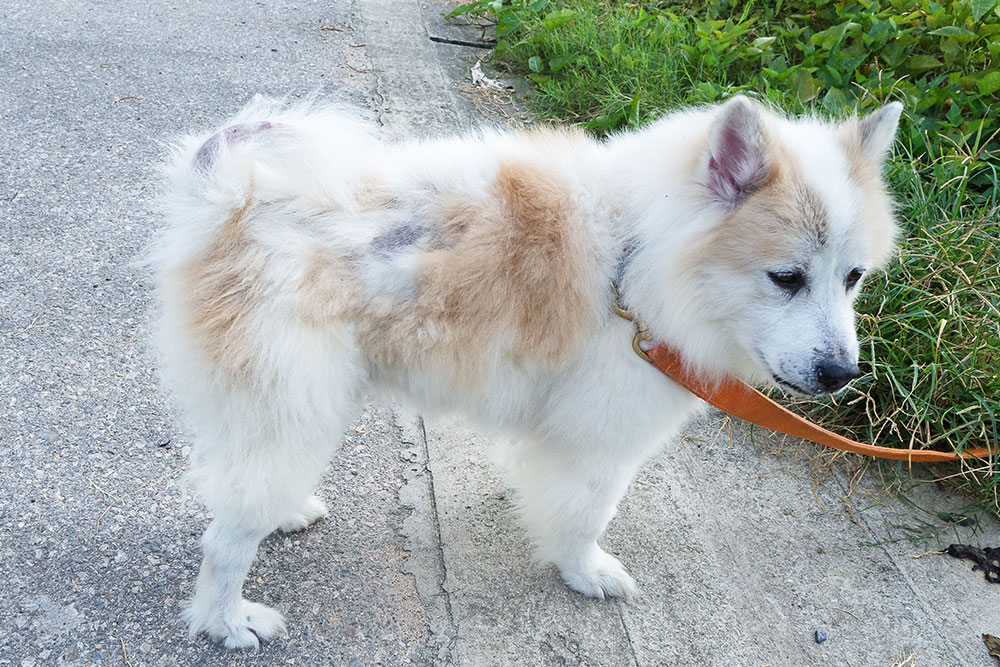
Dogs with hypothyroidism often appear tired, less playful, or more sensitive to cold weather. They may also experience lethargy, unexplained weight gain, thinning fur, or repeated ear and skin infections. Their coat may feel coarse, and their tail or body may develop bald patches.
Because these signs can overlap with other diseases, it’s crucial to schedule a veterinary evaluation rather than trying to self-diagnose. Our diagnostic team performs thyroid-specific bloodwork and other tests to confirm the cause, ensuring we address the right issue from the start.
Hyperthyroidism in Cats
Cats with hyperthyroidism often lose weight even though they seem hungrier than ever. You may also notice increased thirst, vomiting, hyperactivity, or behavior changes in older cats. Some cats develop a noticeable lump on the throat where the thyroid gland is enlarged.
Behavioral signs can be subtle- like restlessness at night or avoiding favorite nap spots- which is why detailed observation and regular checkups are key to catching the disease early.
Diagnosing Thyroid Disease
Diagnosing thyroid disease involves several steps: a full physical exam, review of clinical signs, and laboratory testing. We start with a total T4 blood test, then may follow with Free T4 or TSH tests for a more complete picture.
In some cases, imaging such as ultrasound or electrocardiography may be used to evaluate how the condition affects the heart or other organs. Our clinic’s diagnostic technology provides real-time results, so we can discuss findings and next steps during your visit.
Treatment Options for Thyroid Disorders
Managing Hypothyroidism in Dogs
Treatment for hypothyroidism typically involves daily thyroid hormone replacement with levothyroxine. The medication restores normal hormone levels, helping dogs regain energy, shed excess weight, and grow back healthy coats. After initial stabilization, periodic blood tests are necessary to ensure proper dosing and sustained results.
At Wales Animal Clinic, we monitor your pet’s progress closely and provide nutritional guidance to complement their treatment, ensuring a smooth transition back to full vitality.
Managing Hyperthyroidism in Cats
Treatment for feline hyperthyroidism can include oral or transdermal medication, surgical thyroidectomy, therapeutic diets, or radioactive iodine therapy. The best approach depends on your cat’s age, kidney function, and tolerance for medication.
Our veterinarians follow hyperthyroidism management guidelines to ensure your cat’s care plan supports both their thyroid and overall organ health. With consistent monitoring, most cats lead comfortable, happy lives long after diagnosis.
Complications of Untreated Hypothyroidism in Dogs
While hypothyroidism may seem manageable at first, leaving it untreated can lead to serious health consequences. As metabolism continues to slow, obesity becomes increasingly difficult to manage, creating a cycle that strains joints and worsens mobility. The excess weight can lead to secondary joint problems and reduced quality of life.
Beyond weight concerns, untreated hypothyroidism can cause heart abnormalities, neurological dysfunction, and reproductive issues. In rare but critical cases, severe hypothyroidism can progress to myxedema, a life-threatening condition characterized by fluid accumulation, profound mental dullness, and potentially coma that requires immediate veterinary intervention.
Regular monitoring through our wellness and prevention services helps prevent these complications by maintaining optimal hormone levels and catching changes before they become severe.
Complications of Untreated Hyperthyroidism in Cats
Untreated hyperthyroidism poses significant risks to your cat’s cardiovascular and renal systems. The constant metabolic overdrive strains the heart, potentially leading to heart disease including hypertrophic cardiomyopathy and congestive heart failure.
High blood pressure is another common consequence of uncontrolled hyperthyroidism. This elevated pressure can cause hypertensive retinopathy– sudden blindness from retinal damage- or bleeding within the eyes. These ocular emergencies can develop rapidly and may result in permanent vision loss.
Additionally, kidney function often deteriorates in hyperthyroid cats. The condition may mask underlying kidney disease, which sometimes becomes apparent only after thyroid levels are corrected. This is why our veterinarians carefully monitor both thyroid and kidney function throughout treatment.
These complications underscore why early intervention is essential. Our comprehensive diagnostic services and personalized treatment plans help protect your cat’s long-term health and prevent irreversible organ damage.
Living With Thyroid Disease
Once your pet’s condition is stabilized, regular monitoring is key. Our team partners with owners to create easy-to-follow routines- whether that means daily medication, diet changes, or quarterly check-ins. Most pets with thyroid disease return to their normal, joyful selves with consistent care and regular re-evaluations.
If you ever notice new symptoms or behavior changes between visits, we’re always available to provide guidance or adjust your pet’s care plan as needed.
Supporting Thyroid Health at Home
Simple habits can go a long way in supporting thyroid health. Keep your pet on a balanced, vet-approved diet, ensure routine regular veterinary visits, and monitor changes in appetite, coat, or activity. Recording small observations at home can make a big difference in identifying trends your veterinarian can use to refine treatment.
At Wales Animal Clinic, we view preventive care as a lifelong partnership. Our wellness and prevention services are designed to catch issues early and help every pet- dog, cat, or exotic– live their healthiest life possible.
Preparing for Your Pet’s Appointment
When you schedule a visit, bring any medications your pet is currently taking, recent lab results if available, and notes about appetite, energy, or weight changes. Our compassionate team takes time to listen to your concerns, answer questions, and walk you through the diagnostic process step by step.
If you’re worried your pet may be showing signs of thyroid imbalance, contact us to schedule a visit. Our caring, experienced veterinarians will help identify the cause and create a personalized plan to restore your pet’s health and happiness.
Your Partner in Lifelong Pet Wellness
Thyroid disease can sound intimidating, but with attentive care and the right treatment plan, most pets thrive for years after diagnosis. Whether your dog is slowing down or your cat can’t seem to stop eating, the Wales Animal Clinic team is here to help you uncover the “why” and provide gold-standard care tailored to your pet’s unique needs.
Call us or request an appointment today. Together, we’ll keep your pet healthy, balanced, and living their very best life- because here, your pet is family.

Leave A Comment