

The Eyelid Surgery That Changes Lives: Correcting Entropion and Ectropion
Abnormal eyelid position affects more than appearance. Inward-rolling lids create constant corneal trauma that leads to ulceration, scarring, and potential vision loss. Outward-sagging lids expose vulnerable tissue to chronic inflammation and secondary infection. Both conditions cause ongoing discomfort that medical management addresses symptomatically without correcting the underlying anatomical problem. Surgical repositioning offers permanent resolution by restoring normal eyelid function.
Wales Animal Clinic in Wisconsin performs eyelid correction surgery for dogs and cats prone to these conditions. Our surgical and anesthesia services include techniques for both entropion and ectropion correction, tailored to species-specific anatomy. Through diagnostic services, we assess secondary corneal damage before surgery and monitor healing afterward. Our wellness and prevention programs help identify eyelid problems early in at-risk breeds, allowing intervention before significant corneal damage occurs. Contact our team to discuss surgical options for correcting eyelid malposition and protecting ocular health.
Why Is My Pet Squinting? Understanding Eyelid Conditions
When your pet starts squinting, tearing up more than usual, or pawing at their face, it’s natural to worry. These signs may point to conditions like entropion or ectropion- two eyelid disorders that cause chronic discomfort and eye damage if not addressed.
Entropion causes the eyelid to roll inward, letting lashes and hair rub against the sensitive surface of the eye. This friction is painful and can lead to corneal injury. Ectropion does the opposite: the eyelid droops outward, leaving delicate tissues exposed to debris and bacteria.
These problems aren’t just cosmetic. Both conditions disrupt your pet’s ability to protect their eyes and require medical attention to prevent complications. At Wales Animal Clinic, our diagnostic evaluations and experienced surgical team are here to help your pet find relief.
What Are Entropion and Ectropion?
What Happens With Entropion
Entropion is a condition where the eyelid turns inward, causing the lashes and skin to brush directly against the cornea. That constant irritation leads to redness, eye discharge, squinting, and potentially serious corneal ulcers. Left untreated, the damage can scar the eye and affect vision permanently.
This issue often shows up in breeds with loose facial skin or heavy wrinkles, but it can also develop secondary to pain or chronic inflammation. Some puppies are even born with it. While it might not seem like a big deal at first, entropion is one of the most common eye conditions veterinarians treat because of its long-term consequences.
You might first suspect entropion if your dog or cat has a weepy eye or squints often. In many cases, what looks like a simple infection is actually irritation caused by entropion.
What Happens With Ectropion
Ectropion causes the eyelid to sag outward, which exposes the moist inner lining of the eyelid to the outside world. This leaves your pet vulnerable to constant dryness, debris buildup, and secondary infections. Dogs with ectropion often have red, irritated eyes that water excessively.
This condition can develop over time, especially in aging pets, or may be present from birth in breeds with heavy, drooping facial skin. While it might look less severe than entropion, ectropion can cause long-term eye issues and chronic inflammation.
At Wales Animal Clinic, we examine both eyelid position and function to determine whether surgery is needed and what the best approach will be.
What Puts Pets at Risk?
Some breeds are just more likely to experience eyelid abnormalities because of how their faces are shaped. Dogs with loose or wrinkled skin around the eyes- like Shar-Peis, Bulldogs, Mastiffs, or Bloodhounds- are often affected. For cats, Persian or Himalayan breeds are at increased risk.
Entropion can be congenital or develop later due to eye trauma, chronic inflammation, or scar tissue formation. Hereditary eyelid conditions are common in young dogs, especially those with deep-set eyes and tight facial structures. Eyelid disorders can also emerge in older pets as the eyelid muscles weaken.
Our team often identifies risk factors during your pet’s regular wellness exams. Catching subtle eyelid changes early can prevent more severe complications down the road.
What Are the Signs of an Eyelid Problem?
It’s not always obvious when something’s wrong. Some pets show dramatic signs- like squinting, eye rubbing, or excessive tearing- while others only show subtle symptoms. Common signs of eye problems include:
- Eye redness or inflammation
- Frequent squinting or blinking
- Excessive tearing or tear staining
- Thick or discolored discharge
- Pawing at the eyes or face
- Cloudiness or color change in the cornea
Cats are especially good at hiding discomfort, so keep an eye out for minor behavioral changes. If your pet’s eyes seem irritated or different in any way, it’s worth booking a visit. We offer full diagnostic exams to evaluate the eyelids, cornea, and surrounding tissues.
How Do We Diagnose These Conditions?
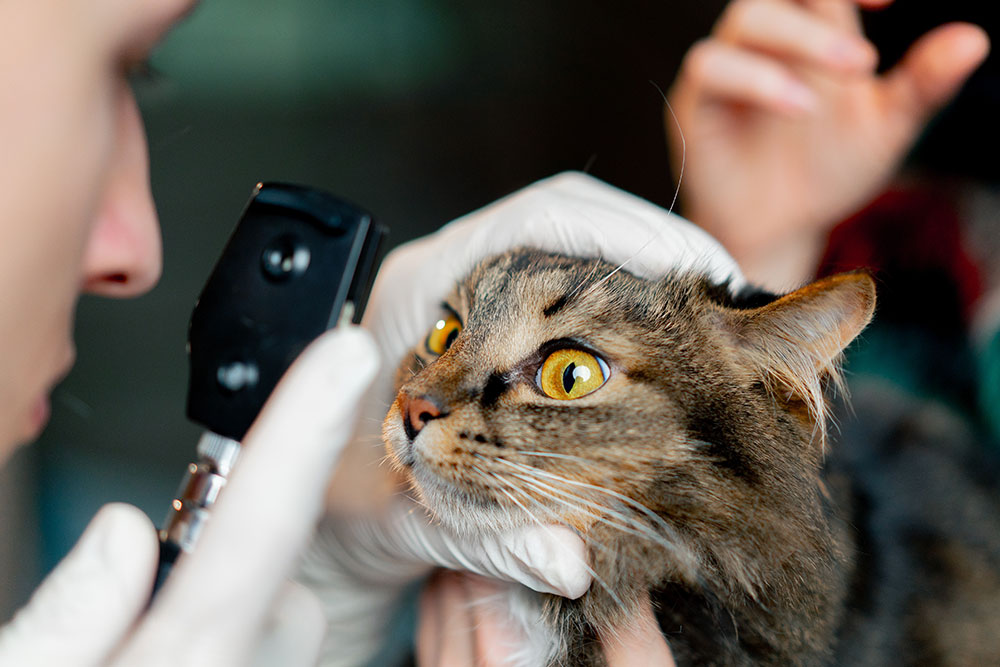
A thorough eye exam is the first step. At Wales Animal Clinic, we evaluate the position and structure of both eyelids- before and after numbing the eye with anesthetic drops. This helps us determine whether the entropion is caused by anatomic structure or secondary to pain (spastic entropion).
Other diagnostic tools include:
- Fluorescein staining to check for corneal ulcers
- Schirmer tear testing for dry eye
- Tonometry to check eye pressure
- In-house lab work to assess for infection or inflammation
For complex cases, we may use imaging or refer to an ophthalmology specialist. Each diagnostic step helps us understand your pet’s needs and choose the right approach.
What Are the Surgical Options?
When Temporary Solutions Make Sense
Some pets benefit from temporary eyelid tacking- especially very young puppies whose facial anatomy is still developing. These temporary sutures help reposition the eyelid to stop rubbing and allow the cornea to heal. They’re also helpful when a corneal ulcer is present and needs to heal before permanent correction.
We may recommend these alternatives as a first step before committing to permanent changes.
Permanent Procedures and What to Expect
Once your pet is ready, we’ll perform surgery to permanently correct the eyelid shape. For entropion, we use a technique that involves removing a small section of skin to roll the eyelid outward and away from the eye. For ectropion, we may shorten or tighten the lid using wedge resection.
Cats may need slightly different approaches. Entropion in cats often occurs later in life and can be related to orbital fat loss or previous chronic eye disease. Surgery often includes additional techniques to support the outer eyelid.
Each case is customized based on breed, facial anatomy, and whether one or both eyes are affected.
What Happens on Surgery Day?
The day of surgery begins with a preoperative exam and lab work to ensure your pet is ready for anesthesia. During surgery, we use the safest available anesthetics and monitor vital signs closely. Every patient receives IV fluids and thorough pain control.
After surgery, most pets go home the same day. You’ll receive detailed instructions and medications to support healing and prevent infection. Our surgery and anesthesia protocols prioritize safety and comfort every step of the way.
What’s Recovery Like?
The First Few Days
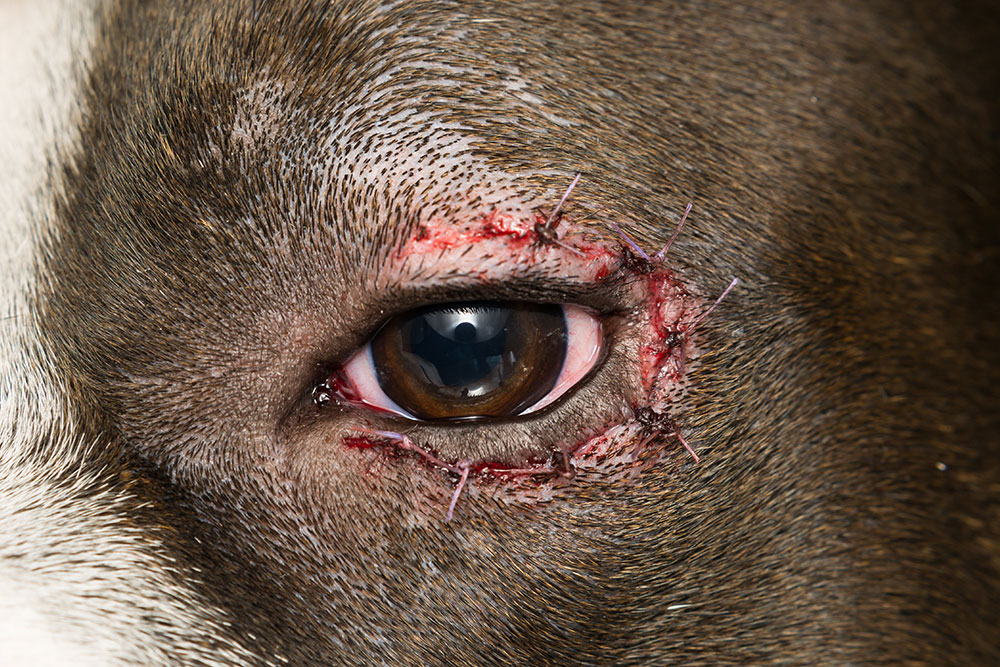
It’s normal to see some swelling and bruising near the incision site. Sutures may look prominent at first, and your pet may be groggy. An e-collar (cone) is essential to prevent rubbing or scratching the eye.
You’ll be giving pain medication and possibly applying ointments to support healing. If anything looks unusual or your pet seems especially uncomfortable, don’t wait- contact us.
Healing Timeline and Follow-Up
Stitches are usually removed after 10 to 14 days. Swelling subsides gradually, and the final eyelid shape may take a few weeks to settle fully. Follow-up visits help us confirm success and ensure no further adjustment is needed.
Our team is here for every part of the process- from surgery through rechecks- because your pet’s comfort and vision matter.
Long-Term Results and Prognosis
Most pets experience dramatic relief after eyelid surgery. Irritation resolves quickly, and ongoing damage to the eye is stopped. Vision is usually preserved, and any discomfort disappears.
Outcomes depend on the severity and duration of the problem, whether corneal damage occurred, and how closely post-op instructions are followed. Pets with severe damage may have residual scarring, but the quality of life improvement is significant.
We provide rechecks to monitor healing and prevent recurrence. If your pet is part of a breed prone to these issues, regular checkups help us stay ahead of potential problems.
Helping Your Pet’s Eyes Stay Healthy
You can support your pet’s eye health long after surgery:
- Schedule regular veterinary exams
- Watch for squinting or discharge
- Avoid environments with dust or irritants
- Keep your pet at a healthy weight
- Report new symptoms right away
For breeds at higher risk, early intervention makes all the difference. We offer guidance during puppy and kitten visits and support responsible breeding practices to reduce inherited eyelid problems.
Let’s Talk About Your Pet’s Eyes
Whether your pet is squinting or has a history of eye issues, we’re here to help. The Wales Animal Clinic team brings compassion, expertise, and attention to detail to every case.
Don’t wait to get answers. If you suspect your pet may have entropion or ectropion, contact us to schedule an evaluation. Corrective eyelid surgery changes lives- and we’re proud to offer that relief right here in Wales, WI.

Leave A Comment