

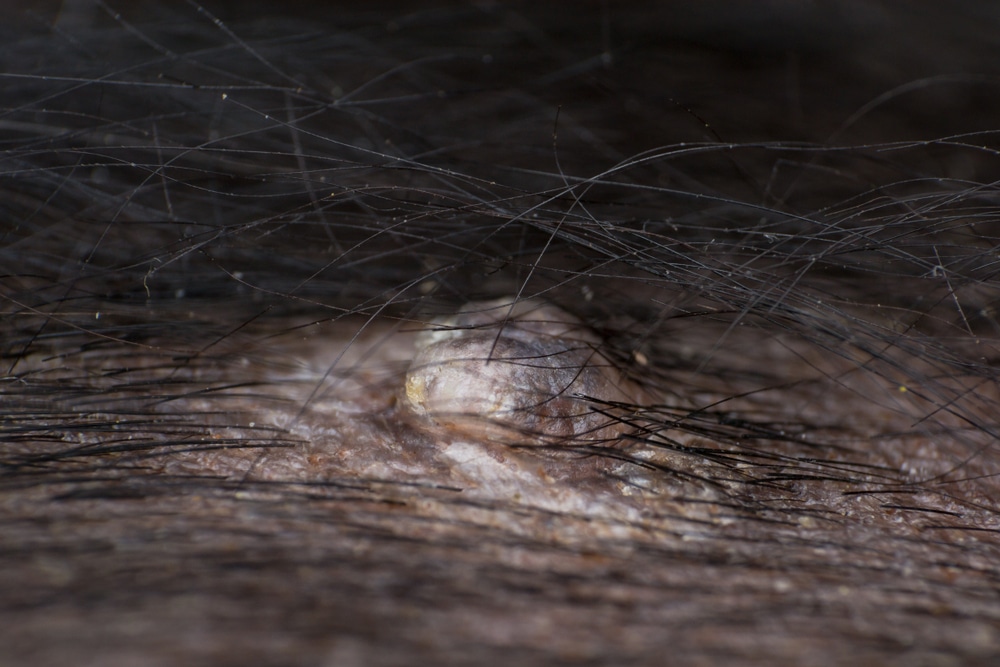
When Enlarged Lymph Nodes Signal a Serious Condition
You Found a Lump: What Do Enlarged Lymph Nodes in Pets Actually Mean?
You’re sitting on the couch, running your hands along your dog’s neck during what feels like a perfectly ordinary evening, and then your fingers stop. There’s something there, a firm bump that wasn’t there before, or at least wasn’t something you noticed. For a lot of pet owners, that moment is equal parts alarming and confusing, because you’re not sure if what you found is cause for immediate concern or something that can wait for a scheduled visit.
The short answer is that enlarged lymph nodes can mean many different things, from a straightforward immune response to a nearby skin infection all the way to something more serious that requires thorough investigation. What matters most is getting an accurate picture of what’s actually happening, and that picture is built from context: your pet’s age, breed, history, any recent illnesses or injuries, and the specific characteristics of the node itself.
At Wales Animal Clinic in Wales, WI, that context is something the team actively cultivates with every patient. Great medicine is about details, and knowing each pet’s individual baseline is exactly what makes it possible to recognize when something has genuinely changed. The diagnostic services at Wales include in-house lab work, ultrasound, X-ray, and cytology to evaluate lymph node findings with the depth they deserve. Contact the clinic to schedule an evaluation with a team that will know your pet as an individual, not just a chart.
What Are Lymph Nodes and Why Do They Swell?
Lymph nodes are distributed throughout the body that serve as key checkpoints in the immune system. They are bean shaped, and shouldn’t be easy to feel in a healthy pet. Their job is to filter lymph fluid, which is the clear fluid that moves through tissues and carries cellular waste, pathogens, and immune cells. As that fluid passes through lymph nodes, immune cells called lymphocytes monitor it for signs of infection, inflammation, or abnormal cells. When the immune system detects a threat, lymph nodes respond by expanding their activity, and that expansion is what causes the swelling owners notice.
Understanding where lymph nodes are located in dogs and cats helps owners know where to look and what normal feels like. The most accessible ones are under the jaw (mandibular), in front of the shoulder blades (prescapular), in the armpits (axillary), in the groin (inguinal), and behind the knees (popliteal).
Noticing changes during everyday interaction with a pet is one of the most genuinely useful things an owner can do. Regular wellness prevention visits at Wales include lymph node checks as part of every physical exam, giving the team a documented baseline that makes future comparisons meaningful. We’re happy to help show you the locations at the next exam.
What Causes Lymph Nodes to Enlarge in Dogs and Cats?
The medical term for enlarged lymph nodes is lymphadenopathy, and it is a clinical sign rather than a diagnosis on its own. Something is causing the enlargement, and the treatment, prognosis, and urgency all depend on identifying what that something is. The causes fall into several broad categories.
Infections and Inflammation: When the Immune System Is Working Hard
One of the most common reasons for lymph node swelling is an active immune response to a nearby or systemic infection. A dog with a dental abscess may have noticeably swollen mandibular nodes directly below the jaw, because those nodes are draining the area where the infection lives. Similarly, a wound or skin infection on a limb can cause the regional popliteal or inguinal node to swell on the same side.
Tick-borne diseases are particularly relevant in Wisconsin. Lyme disease can cause generalized lymph node swelling alongside joint pain, fever, and lethargy, and is a significant concern for pets in the upper Midwest. Leptospirosis is another bacterial disease transmitted through wildlife urine and contaminated water that can cause lymphadenopathy as part of a broader systemic illness. Year-round parasite prevention is genuinely important here, and the Wales pharmacy carries dog flea and tick prevention and cat flea and tick prevention to support consistent protection through every season.
Fungal disease such as blastomycosis and histoplasmosis can also produce enlarged lymph nodes, often alongside respiratory signs and skin lesions. These infections are acquired from the environment and are more common in pets with outdoor access near bodies of water or disturbed soil.
The encouraging news about infectious causes is that they are frequently very treatable with appropriate antimicrobial therapy once the underlying pathogen is identified. Wales Animal Clinic also provides comprehensive dental services to treat oral infections causing lymph node enlargement.
When Enlarged Lymph Nodes Point to Cancer
Lymphoma is the most common cancer affecting lymph nodes in dogs and cats, and it is something the Wales team takes seriously from the moment a suspicious node is palpated. Lymphoma is a cancer of lymphocytes, the immune cells that live within lymph nodes and circulate throughout the body.
Canine lymphoma most commonly presents in its multicentric form, meaning multiple lymph node groups enlarge simultaneously. The nodes are typically firm, painless, and noticeably larger than normal, often appearing first under the jaw or in front of the shoulders. It also occurs in other forms: alimentary (GI tract), mediastinal (chest), cutaneous (skin), and extranodal (affecting sites like the eyes or nervous system), each with different presentations and treatment considerations. Some breeds carry higher risk: Golden Retrievers, Boxers, and Bulldogs are among the dogs most commonly diagnosed with lymphoma.
In cats, feline lymphoma most commonly affects the gastrointestinal tract, where it may not produce obvious external lymph node swelling but causes weight loss, vomiting, and changes in appetite. Metastatic cancer, meaning cancer that originated elsewhere in the body and spread to lymph nodes, is another possibility. A mammary tumor, mast cell tumor, or oral melanoma can all seed regional lymph nodes and cause enlargement that requires evaluation.
Other Causes Worth Knowing
Not every case of lymphadenopathy is infection or cancer. Immune-mediated conditions, where the immune system attacks the body’s own tissues, can cause lymph node swelling as a secondary effect. Vaccine reactions and drug hypersensitivity occasionally produce temporary enlargement, particularly in the nodes nearest the injection site.
Lymphedema, a condition where lymphatic drainage is impaired and fluid accumulates in tissues, can also cause regional swelling that involves lymph nodes. These less common causes are identified through the same careful diagnostic process used for infectious and neoplastic causes, which is why a thorough workup matters regardless of the initial clinical impression.
How Does the Diagnostic Process Work?
What the Physical Exam Reveals
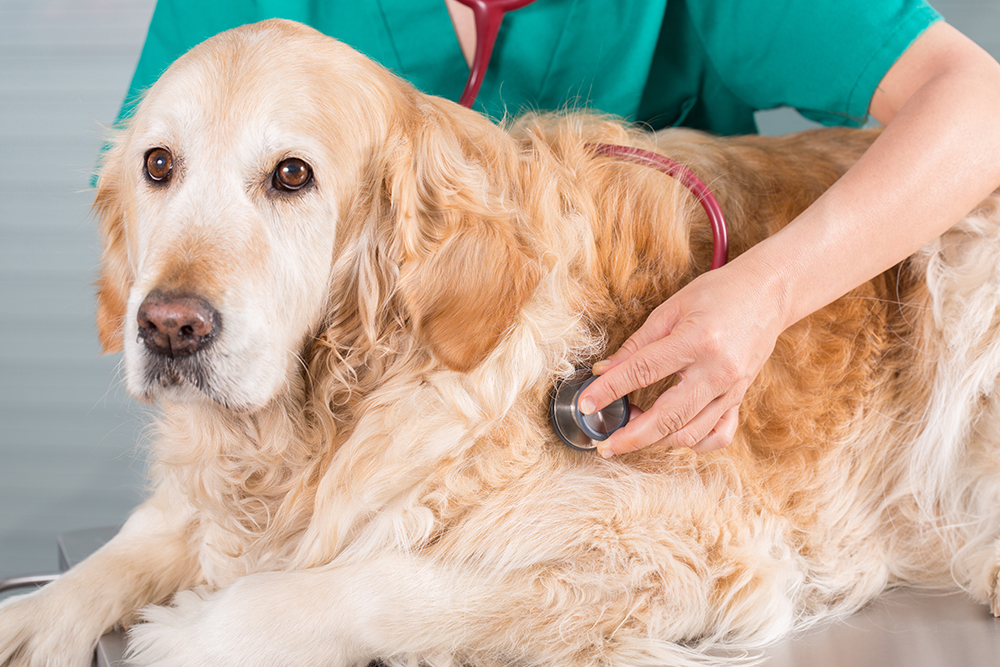
The first step in evaluating enlarged lymph nodes is a careful hands-on examination. The Wales team palpates each accessible node to assess its size, texture, symmetry, whether it is painful when touched, and whether it moves freely or feels adhered to surrounding tissue. Fixed, firm, non-painful nodes that are enlarged in multiple locations tend to raise more concern than a single soft, slightly enlarged node near a recent wound. The pattern of involvement, whether it is one node, several in the same region, or nodes throughout the entire body, points the workup in a specific direction.
The exam also looks at the broader clinical picture: body weight and muscle condition, coat quality, energy level, presence of fever, any skin lesions, and the health of the mouth and teeth. A dental abscess discovered during the oral exam changes the entire interpretation of swollen mandibular nodes. The Wales team approaches these evaluations with the thoroughness that comes from genuinely knowing each patient over time.
Cytology, Biopsy, and Advanced Testing
Fine-needle aspiration, or FNA, is typically the next step after physical examination. A thin needle is inserted into the lymph node to collect a sample of cells, which are then examined under a microscope. It is quick, requires minimal restraint in most patients, and provides meaningful information about what cell types are present. Biopsy is the next step if cytology doesn’t give enough information, or if a deeper understanding of what’s happening is needed; it evaluates the architectural structure of the tissue and provides more complete information.
For lymphoma specifically, FNA cytology can be diagnostic in many cases, particularly for high-grade or large-cell lymphoma. Small-cell lymphoma, which is more common in cats, often requires surgical biopsy with histopathology for confirmation. Advanced characterization through flow cytometry, immunophenotyping, or PCR for antigen receptor rearrangement (PARR) can further define the lymphoma subtype and help guide treatment decisions.
Staging tests, which determine how widely disease has spread, typically include bloodwork, urinalysis, chest X-rays, and abdominal ultrasound. Bone marrow evaluation is sometimes added when a comprehensive picture is needed. The diagnostics at Wales include in-house hematology and chemistry panels, digital radiography, and on-site ultrasonography, allowing much of this workup to happen in one place.
What Treatment Options Are Available?
Treatment follows directly from diagnosis, which is why the workup cannot be skipped.
For infectious causes, targeted antimicrobial therapy, whether antibiotics for bacterial infections, antifungals for fungal disease, or tick-borne disease protocols, tends to produce good results when started promptly. Dental disease contributing to lymphadenopathy is addressed through professional cleaning and, when necessary, tooth extraction. The dental care services at Wales include dental X-rays and cleanings that address the oral infections often quietly driving lymph node changes.
For lymphoma, multi-agent chemotherapy protocols are the standard of care for dogs and can achieve remission in a meaningful proportion of patients. It is important to understand the difference between remission and cure: remission means the disease is no longer detectable and the pet is feeling well, but monitoring and rescue protocols are part of the long-term plan. Single-agent chemotherapy and steroid-only therapy are options for owners who prefer a less intensive approach or when the pet’s overall condition limits treatment. For cats with low-grade GI lymphoma, oral chemotherapy often allows a good quality of life for extended periods.
Monitoring, Follow-Up, and Staying Involved
Lymph node evaluations do not end with a diagnosis and a treatment plan. Regular rechecks, including physical exams and scheduled bloodwork, are essential for tracking treatment response, detecting early signs of relapse, and adjusting therapy as needed. Owners can also play an active role by continuing to monitor the nodes that were initially identified and reporting changes between appointments.
The Wales team welcomes those conversations, because staying in close contact with owners is how good care stays great over time. Whether a pet is recovering from a bacterial infection or navigating a longer-term condition like lymphoma, that partnership between family and clinic is what the personal approach at Wales is built around.
Wales Animal Clinic is Here to Help
Finding an enlarged lymph node does not have to mean bracing for the worst, but it does mean it is time to get a clear picture of what is actually happening. Many causes are entirely treatable. Even serious diagnoses like lymphoma can be managed with individualized, compassionate care that prioritizes quality of life.
The team at Wales Animal Clinic is ready to work through every step with you, from the initial exam and diagnostic workup through treatment decisions and follow-up monitoring. Contact Wales Animal Clinic to schedule an evaluation- the team is ready to listen, investigate, and partner with you through whatever comes next.

Leave A Comment