

Allergy symptoms can be sudden and stressful. Your pet has been itching nonstop, to the point of creating raw, irritated skin. They are shaking their head over and over, and now there is a strong, unusual smell coming from their ears. Maybe your dog was completely fine ten minutes ago, but now their muzzle is swollen, they’re pawing at their face, and you’re standing in the kitchen trying to figure out whether you have time to call the vet or whether you need to act right away. You know something is wrong, but it is not always clear how serious it is or what to do next.
That gap between noticing something and understanding what it means is one of the most difficult places to be. Allergic reactions in dogs and cats can look very different depending on the cause and the individual pet. Some signs are mild and improve quickly with treatment. Others need more urgent attention.
At Wales Animal Clinic in Wales, WI, we approach every patient with a personal lens, because knowing a pet’s baseline and history is what makes it possible to recognize when something is truly outside the norm. For guidance on what you are currently seeing, contact us at (262) 968-2507. Reaching out is always a reasonable first step when you’re worried, and we’re here to help.
What Triggers Allergic Reactions in Pets?
The immune system is designed to protect the body from genuine threats. In pets with allergies, it misfires, mounting a response to substances that pose no real harm. The intensity of that response, and the symptoms it produces, varies by pet and by trigger.
There are three main causes of allergic reactions:
- Environmental allergens are among the most common culprits. In Wisconsin, that means tree pollen in spring, grass and weed pollen through summer and into fall, mold spores after rain, and year-round exposure to dust mites and animal dander indoors. Pets with environmental allergies often show seasonal patterns that become a useful diagnostic clue once you start tracking them.
- Insect bites and stings are another significant trigger, particularly during warmer months. Flea saliva deserves special mention: a sensitized pet does not need a heavy infestation to react. A single bite can produce intense, widespread itching that lasts days.
- Food proteins are a third common category, with chicken, beef, dairy, and eggs among the most frequently implicated ingredients. Unlike environmental allergies, food sensitivities tend to cause year-round symptoms regardless of season.
Knowing which specific exposures your pet has had in the hours before a reaction helps us build a clearer picture of what is most likely driving it. During wellness and prevention visits, we can discuss exposure history and reaction patterns as part of your pet’s individualized care, which makes those conversations faster and more useful when something sudden happens.
Vaccine and Medication Reactions: What to Watch For
Vaccination reactions are uncommon but worth understanding. Mild responses include temporary fatigue, injection-site soreness, and low-grade fever that resolve within a day or two. More significant reactions typically appear within the first hour after vaccination, though some can develop up to 48 hours later. Close monitoring in the first 24 hours after any new vaccine or medication is a reasonable precaution.
For pets with a prior reaction history, premedication with antihistamines before vaccination is sometimes appropriate and is assessed case by case. Sharing a complete medical and reaction history with us before each visit allows us to tailor the vaccination schedule and approach accordingly. Preventive care and appropriate vaccination remain important, and with planning, most sensitive pets receive the protection they need safely.
What Are the Different Types of Allergic Reactions?
From Mild Hives to Life-Threatening Anaphylaxis: The Full Picture
Not all allergic reactions look the same, and timing is one of the most important factors in understanding severity. Reactions that develop slowly over hours and stay confined to one area are typically less urgent than reactions that escalate across multiple body systems within minutes.
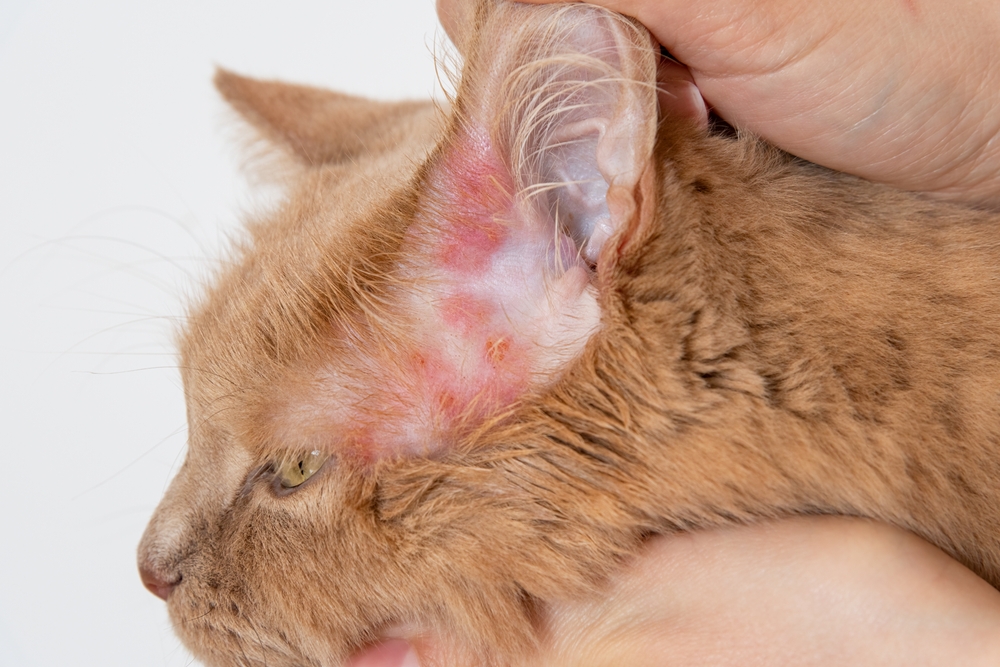
The most common presentation isn’t dramatic at all. Many pets with allergies show chronic skin signs: persistent itching of the paws, ears, and hindquarters, with scratching and licking that eventually leads to raw, inflamed patches called hotspots, or secondary bacterial and yeast infections. These aren’t emergencies, but they are signs the immune system is consistently overreacting to something, and they deserve attention before they escalate or become painful.
Hives, called urticaria in veterinary medicine, are raised, firm welts that appear on the skin, often most visible on the face, neck, and back. They are itchy and uncomfortable, and in dogs with lighter coats or short hair they may be visually obvious. Hives represent a localized immune response and, while they warrant veterinary attention to identify the trigger and prevent escalation, they are not typically life-threatening on their own.
Respiratory allergies that produce sneezing, coughing, or watery eyes tend to develop more gradually and progress at a slower pace than acute reactions.
At the serious end of the spectrum, anaphylaxis is a sudden, whole-body reaction involving blood pressure collapse, airway constriction, and impaired oxygen delivery to organs. It can develop within minutes of exposure and is fatal without prompt treatment. Any reaction involving multiple body systems simultaneously should be treated as urgent regardless of species.
Recognizing Warning Signs: What to Watch For at Home
Common Allergy Signs vs. Emergency Symptoms
Knowing which signs require a call versus which require immediate action can genuinely matter in a time-sensitive situation.
Common allergy symptoms worth monitoring and reporting:
- Mild facial swelling around the muzzle, eyes, or ears
- Sudden intense itching, pawing at the face, or excessive licking
- Raised welts or bumps appearing on the skin
- Red, watery, or squinting eyes
- Vomiting or diarrhea developing within a short time after a new exposure
- Restlessness or behavioral changes without an obvious explanation
These allergy symptoms warrant veterinary contact and often same-day evaluation, but they do not always represent an immediate emergency in the first minutes of observation.
Emergency symptoms requiring immediate veterinary care:
- Labored breathing, rapid shallow breaths, or audible distress sounds
- Open-mouth breathing in cats, which is always abnormal and indicates respiratory compromise
- Collapse or sudden inability to stand
- Pale, white, or blue-tinged gums
- Severe facial swelling progressing visibly toward the throat or neck
- Continuous vomiting or diarrhea persisting beyond an hour
- Weak or racing pulse
Checking gum color by gently lifting the lip takes only a second and provides important information. Healthy gums are pink and moist. Pale or blue gums signal inadequate circulation and always require immediate attention. If any of the emergency signs above are present, call us at (262) 968-2507 during business hours or proceed directly to an emergency facility after hours. Contact us for guidance if you’re worried.
What Should You Do at Home While You Get Help?
Staying calm and acting purposefully is the most useful thing you can do during a reaction. Here are practical steps to take while arranging veterinary care:
- Remove the trigger if possible. If the reaction followed skin contact with a substance, rinse the area with cool water. Avoid soaps or other products unless specifically instructed.
- Keep the pet calm and still. Physical exertion increases circulation, which can move allergens through the body more quickly. Carry small pets rather than walking them.
- Prevent self-injury. If scratching is severe, a cone or e-collar reduces skin damage while you travel.
- Document what you can. Note the time symptoms started, any new foods, products, or exposures in the hours before, and take photos of visible swelling or skin changes. This information is genuinely helpful to us.
- Do not give human medications without guidance. Some antihistamines are safe for pets at specific doses, but certain formulations contain decongestants or xylitol that are toxic to dogs and cats. If your pet has a known reaction history, ask us in advance whether having a specific product on hand is appropriate.
Call us before or while you prepare to leave so we can be ready. Calling ahead allows for appropriate triage and preparation.
How Do We Treat Allergic Reactions?
Emergency treatment for anaphylaxis involves epinephrine to reverse the immune cascade, IV fluids to support blood pressure, anti-inflammatory medications, and oxygen support for respiratory compromise. Most mild reactions resolve quickly with appropriate treatment. Severe cases may require monitoring over several hours, and occasionally overnight hospitalization.
One thing worth knowing: some reactions appear to resolve, only to return hours later without any new exposure. This is called a biphasic reaction, and it’s one reason we recommend monitoring even after a pet seems to have bounced back from a significant reaction. If your pet had a serious episode and starts showing symptoms again within 24 hours, contact us or head to an emergency facility right away rather than waiting to see whether it passes.
Pets who are extremely itchy can typically respond well to treatments that calm the skin inflammation. If they’ve developed skin or ear infections, a cytology may be performed- we take a swab of the skin or ear, and look under the microscope to see exactly what’s going on. Usually, we see yeast or bacteria that have multiplied causing infection, and we’ll send you home with the appropriate medications.
Our team is equipped to manage allergic reactions across the severity spectrum during clinic hours. For cases requiring after-hours emergency care, we can advise on appropriate referral partners.
How Can You Manage or Prevent Future Allergic Reactions?
Prevention focuses on reducing allergen exposure, staying ahead of parasite control, and having a management plan ready for pets with documented reaction histories.
Medical Management:
- For pets with known severe reactions to stings or bites, having epinephrine available at home is worth discussing with us. Not every patient needs this, but for those with a documented anaphylactic history, it buys critical time.
- Immunotherapy, which desensitizes the immune system to specific allergens through graduated exposure, is the most effective long-term management for environmental allergies. Results take time but can meaningfully reduce reaction frequency and severity. In the meantime, Apoquel and Cytopoint are both excellent options for controlling itch and inflammation during allergic episodes, and we can help determine which fits your pet’s needs and history.
Grooming With The Right Products:
- Regular grooming lowers the allergen burden a pet carries on their coat. Weekly rinses after outdoor time remove pollen, mold spores, and other environmental debris before they are absorbed.
- Topical therapies for allergic skin including medicated and moisturizing shampoos support the skin barrier between veterinary visits and reduce the severity of reactions when used consistently. For pets with sensitive or reactive skin, there are many great products to choose from. We love using Douxo S3 Calm Shampoo, DermAllay Oatmeal Shampoo, and Epi-Soothe Shampoo for soothing bath routines, and DermAllay Oatmeal Spray Conditioner and Douxo Calm S3 Mousse for between-bath skin support.
- Allergies often affect the ears as a secondary site. Consistent ear cleaning with a veterinary-approved solution prevents the secondary yeast and bacterial infections that develop in allergy-prone ears, which then require additional treatment.
Parasite Control:
- Flea allergy dermatitis is triggered by flea saliva rather than flea presence, which means even minimal flea exposure causes significant reactions in sensitized pets. Year-round parasite prevention is non-negotiable for these patients. Our pharmacy carries dog flea and tick prevention and cat flea and tick prevention to keep that protection consistent through every season, including Wisconsin winters when outdoor activity continues.
Choosing The Right Nutrition:
- For food allergies, elimination diet trials are the diagnostic gold standard. The process involves feeding a single novel or hydrolyzed protein for eight to twelve weeks with absolutely no exceptions, including treats, flavored toothpaste, and pill pockets, to see whether symptoms resolve. If they do, and return when the original food is reintroduced, the allergy is confirmed. Strict compliance is what makes the result meaningful, and we provide nutritional counseling to guide the process.
- Dog skin and coat supplements with omega fatty acids support the skin barrier and reduce the severity of flares over time.
Home Changes:
- Environmental modifications at home, including HEPA vacuuming to reduce airborne particles, hot-water washing of pet bedding weekly, and humidity control between 30 and 50 percent to limit mold growth, lower the baseline allergen load the immune system has to manage.
Frequently Asked Questions About Allergic Reactions in Pets
What is the difference between hives and anaphylaxis?
Hives are raised, itchy welts on the skin representing a localized immune response. They are uncomfortable but typically not immediately dangerous. Anaphylaxis is a sudden, whole-body reaction involving blood pressure collapse and airway compromise that can become fatal within minutes without treatment. The key difference is speed and systemic involvement.
When should I call the clinic rather than heading directly in?
Call first for hives, mild itching, a single vomiting episode, or facial swelling that is not progressing. Head in immediately without waiting if breathing is labored, gums are pale or blue, swelling is spreading toward the throat, or your pet has collapsed.
Can I give my pet a human antihistamine?
Not without veterinary guidance. Some antihistamines are safe for pets at appropriate doses, but the correct dose varies by weight and species, and some formulations contain ingredients toxic to dogs or cats. Contact us before giving any over-the-counter medication, and ask in advance if your pet has a known reaction history so you are prepared.
Can I prevent flea-related allergic reactions?
Yes, and this is one of the most manageable allergy triggers to address. Year-round parasite prevention is essential for flea-allergic pets, because even a single bite can trigger a significant reaction in a sensitized animal. Regular coat checks after outdoor time help catch exposure early.
How do I know if my pet has a food allergy?
Food allergies are confirmed through elimination diet trials using a novel or hydrolyzed protein for eight to twelve weeks, with no extras whatsoever, including flavored treats or pill pockets. If symptoms improve during the trial and return when the original food is reintroduced, that’s confirmation. Strict compliance is what makes the result meaningful, and we provide nutritional guidance throughout the process.
Responding to Reactions, Preventing Them When Possible
Allergic reactions deserve quick attention whether they show up as mild welts or acute respiratory distress. The signs that most urgently require action are rapidly spreading facial swelling, worsening breathing, pale gums, and collapse. If you are seeing any of those, move immediately.
For pets with ongoing allergy management needs, we are ready to build a plan that addresses their individual triggers, history, and risk profile. From parasite prevention and skin care to immunotherapy and dietary counseling, the goal is always to reduce both the frequency and the severity of reactions over time.
Contact Wales Animal Clinic at (262) 968-2507 to schedule an evaluation, and we’ll help your pet have a more comfortable allergy season.