

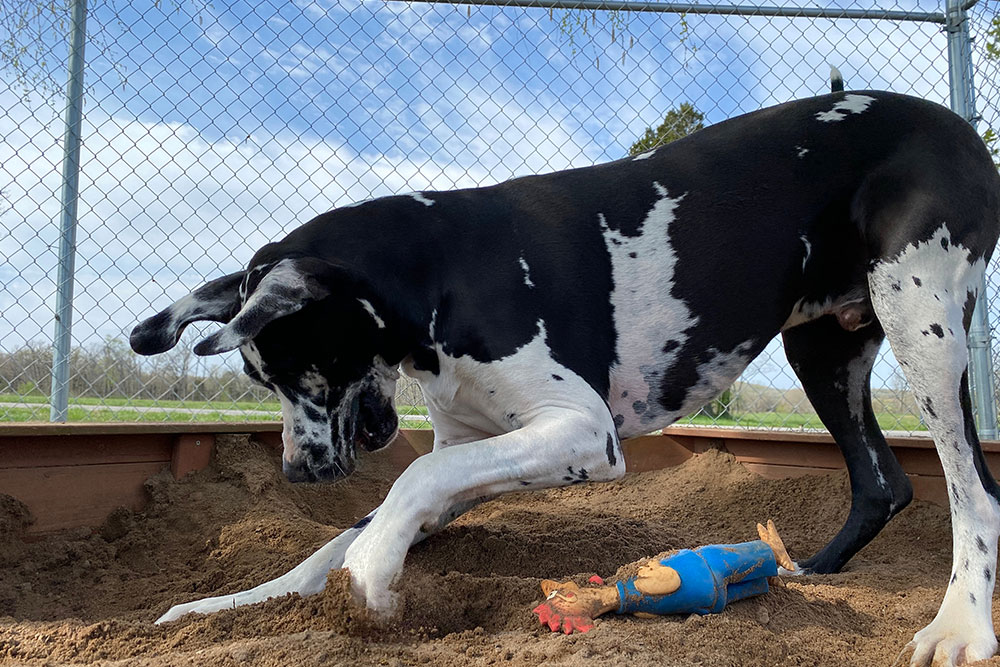
If your dog treats your living room like a race track every evening, you already know how much energy some dogs have to burn. Maybe you’ve been considering daycare as a way to give them an outlet while you’re at work, or perhaps you’re hoping it will help with some of those boredom behaviors that appear when they’re home alone too long.
Dog daycare can be a wonderful solution for the right dog in the right facility. But here’s what many owners don’t realize: quality varies significantly across daycares, and not every dog actually enjoys a busy group environment. Understanding what to look for, what questions to ask, and how to prepare your dog can help you make a confident decision that supports both their health and your peace of mind.
At Wales Animal Clinic in Wales, WI, we pride ourselves on giving every pet a personal approach to care, and that includes being your trusted partner when making decisions like choosing a daycare. We’re here to help you review health requirements, evaluate your dog’s readiness, and make sure their vaccinations and preventive care are current. This kind of preparation is a key part of wellness and prevention. If you have questions or want to schedule a pre-daycare checkup, simply contact us to start the conversation.
What Should a Good Dog Daycare Actually Provide?
The Benefits of Structured Socialization
Well-run daycare is about much more than letting dogs loose in a room together. The best facilities offer supervised sessions that help dogs burn energy, practice appropriate interaction skills, and take breaks before things escalate. Structure matters because it teaches dogs how to play politely and read social cues from other dogs.
Quality daycares group dogs thoughtfully based on size, age, energy level, and play style. They provide quiet areas where dogs can genuinely rest, not just a corner of a noisy play room. And they have staff who understand how socializing your dog properly requires more than just throwing them into a group and hoping for the best.
If you’re working on building your dog’s social skills, our team can help you develop a plan tailored to their personality during wellness visits.
Is Daycare Right for Every Dog?
Honestly? No. Some dogs thrive with a single buddy or prefer quieter enrichment activities. Others become overwhelmed or anxious in busy group settings, and that’s completely okay. A dog who loves meeting one friend at the park may feel very differently about spending eight hours in a room with fifteen unfamiliar dogs.
Understanding your dog’s tolerance level helps you set realistic expectations. Some dogs are genuinely dog-social and enjoy meeting new friends. Others are dog-tolerant (they can handle other dogs but don’t seek them out), dog-selective (they like specific dogs but not all), or dog-reactive (they struggle with other dogs nearby). Daycare works best for dogs on the social end of that spectrum.
If your dog shows signs of stress or avoidance after daycare visits, that’s important information. We can discuss alternatives during your next wellness and prevention appointment.
How Do You Evaluate a Dog Daycare Facility?
What to Look for During a Tour
Tour the facility when dogs are actually playing, not during a quiet period. This lets you observe supervision, group dynamics, and how staff respond when tension develops.
Key things to assess:
- Staff attentiveness:Are employees actively watching dogs, or are they distracted by phones or conversations?
- Supervision ratios:How many dogs per staff member? Lower ratios mean better oversight.
- Grouping methods:Are dogs separated by size and play style, or is everyone mixed together?
- Sanitation:Is the facility clean? Do you notice strong odors? How often do they disinfect?
- Rest periods:Do dogs get scheduled quiet time, or is it nonstop activity?
- Medication and special needs:How do they handle dogs who need medications, have mobility issues, or are seniors?
Ask directly about their health policies. How do they verify vaccinations and parasite prevention? Do they require routine fecal testing? How do they handle illness, both isolation and owner notification?
A quality facility should welcome your questions. If they seem annoyed or evasive, that tells you something important.
What Does Healthy Play Actually Look Like?
Watching dogs play can help you evaluate both the facility and the staff’s skills. Healthy play has a natural rhythm with starts, stops, role reversals, and voluntary pauses. Dogs should have loose, wiggly body language rather than stiff postures.
Understanding canine body language makes your tour much more informative. Look for play bows, relaxed open mouths, and dogs who take breaks and return to play on their own.
Signs that staff should intervene:
- One dog persistently chasing another who’s trying to escape
- Stiff bodies, hard stares, or raised hackles
- Mounting or pinning behaviors
- Resource guarding over toys, water, or space (in general, toys should be avoided in groups)
- A dog hiding or trying to get away from the group
Facilities that encourage safe group play with structured breaks and attentive supervision significantly reduce stress and injury risk. If you see concerning behaviors going unaddressed during your tour, keep looking.
What Vaccines and Health Requirements Should You Expect?
Standard Vaccine and Prevention Requirements
Most daycares require proof of current vaccinations and parasite prevention to protect all the dogs in their care.
Common requirements include:
| Vaccine / Prevention | Why It’s Required |
|---|---|
| Rabies | Required by law; protects against fatal disease |
| DHPP/DAPP | Protects against distemper, hepatitis, parvovirus, parainfluenza |
| Bordetella | Reduces risk of kennel cough in close-contact settings |
| Canine influenza | Often required; spreads rapidly in group environments |
| Leptospirosis | Recommended for dogs with outdoor exposure |
| Fecal testing |
Screens for intestinal parasites that spread through shared spaces |
| Year-round parasite prevention | Protects against heartworm, fleas, and ticks |
Many facilities also require a symptom-free waiting period after any illness before dogs can return.
We can align your dog’s vaccines and parasite control with daycare requirements during wellness and prevention visits, making sure they’re protected and ready to enroll.
What Contagious Diseases Spread in Daycare Settings?
Group environments increase exposure to contagious diseases. Vaccination, parasite prevention, good facility hygiene, and keeping symptomatic dogs home are the best protection.
Parvovirus
Canine parvovirus spreads through feces and contaminated surfaces, and the virus can survive in the environment for months. Young dogs and those who aren’t fully vaccinated are most vulnerable. Symptoms include severe vomiting, bloody diarrhea, and lethargy. If your dog develops these signs after any group exposure, prompt veterinary care is essential. Our diagnostics include in-house testing to identify parvovirus quickly.
Puppies should not be placed into daycare until they’ve had all their vaccinations and are spayed or neutered. Group socialization is important for puppies– seek out puppy-specific classes, where all puppies have had at least one vaccine and health checks are taken very seriously. Puppy classes should take place on floors that can be disinfected between classes, not outdoors or with dogs of unknown vaccine status.
Leptospirosis
Leptospirosis spreads through contaminated water or soil, including puddles, and urine. Daycares with outdoor yards or dogs who visit parks and trails face higher risk. This disease can also spread to humans, making prevention especially important. We often recommend leptospirosis vaccination for dogs attending outdoor daycare.
Oral Papilloma Virus
Oral papilloma virus causes wart-like growths around the mouth and lips. It spreads easily through play, shared water bowls, and toys. Most cases resolve on their own, but dogs with active lesions are typically excluded from daycare until they clear. Contact us if you notice unusual bumps around your dog’s mouth.
Respiratory Infections
The canine respiratory disease complex (commonly called kennel cough) and canine influenza spread through droplets, shared air, and contaminated surfaces. Symptoms include coughing, sneezing, nasal discharge, and lethargy. Good ventilation and prompt isolation of symptomatic dogs reduce spread. If your dog develops a cough after daycare, we can evaluate them with diagnostics and advise on when they can safely return.
What About Parasites and Skin Conditions?
Intestinal Parasites
Shared outdoor areas can expose dogs to parasite eggs or cysts in soil and standing water. Giardia is particularly common in group settings and can cause diarrhea, gas, and intermittent soft stools. Some infected dogs show no symptoms at all but can still spread the parasite. Routine fecal testing helps catch infections early and protects the entire playgroup.
Skin Conditions
Close contact during play can spread several skin conditions:
- Ringwormis a fungal infection (not actually a worm) that causes circular patches of hair loss
- Fleascan spread quickly in group settings and lead to secondary hot spots if prevention lapses
- Sarcoptic mangecauses intense itching and spreads through direct contact
If you notice itching, hair loss, or red patches after daycare visits, we can examine your dog and guide treatment through our wellness and prevention services.
What Physical Injuries Can Happen During Play?
Even well-supervised playgroups can result in minor injuries. Active dogs sometimes collide, step on each other, or have brief disagreements.
Eye Irritation and Injuries
Rough play, dust, and debris can irritate eyes. Redness, squinting, pawing at the face, or discharge may indicate conjunctivitis or a corneal scratch. We can evaluate eye concerns to determine whether deeper issues are present.
Bite Wounds and Scratches
Even friendly dogs occasionally have disagreements. Bite wounds can be deceptive because the surface puncture may look small while bacteria get trapped under the skin. If you notice any wounds after daycare, prompt evaluation helps prevent infection. When repair is needed, our surgery and anesthesia team is here to help.
How Do You Prepare Your Dog for Daycare Success?
Trial Sessions and Honest Communication
A good daycare should offer a trial session to evaluate your dog’s comfort level and fit with their playgroups. Be honest about your dog’s quirks, fears, anxiety, medications, food sensitivities, and any mobility limitations. This information helps staff set your dog up for success rather than putting them in situations that don’t work for them.
Building Positive Associations
Help your dog adjust with a gradual approach:
- Start with short visits before committing to full days
- Keep drop-offs calm and brief (prolonged goodbyes can increase anxiety)
- Ask how staff document behavior and signs of fatigue
- Watch for soreness, digestive upset, coughing, or stress behaviors after visits
If mobility concerns or anxiety are factors, we can tailor strategies during wellness and prevention appointments.

Frequently Asked Questions
How do I know if my dog is enjoying daycare?
Happy dogs come home tired but content, eat normally, and seem eager to return. Signs of stress include excessive drooling, reluctance at drop-off, digestive upset, or behavior changes at home.
What vaccines does my dog need before starting?
Most facilities require rabies, DHPP, Bordetella, and often canine influenza and leptospirosis. We can review your dog’s vaccine status and update what’s needed.
How often should my dog go to daycare?
It depends on their energy level and social needs. Some dogs thrive with daily visits; others do better with one or two days per week. Watch for signs of overstimulation.
What if my dog gets sick after daycare?
Monitor symptoms and contact us if you notice coughing, vomiting, diarrhea, lethargy, or behavior changes. We can evaluate your dog and advise on treatment and return timing.
Can senior dogs go to daycare?
Many older dogs enjoy social time, but activity level and health conditions matter. We can help assess whether daycare is appropriate and suggest modifications if needed.
Your Partner in Daycare Readiness
Choosing the right daycare takes research, and preparing your dog takes teamwork. At Wales Animal Clinic, we treat every pet as part of our family and focus on the details that make your dog who they are. From vaccine updates to temperament discussions to pre-daycare health checks and recommendations for our favorite local facilities, we’re here to help you feel confident about your decision.
If you’re considering daycare or have questions about health requirements, contact us to schedule a wellness visit. We’re your partners through thick and thin, especially when your dog is bouncing off the walls with energy and needs some friends to play with.






Leave A Comment