


From Dull Coat to Diagnosis: Exploring Pet Hair Loss
Hair loss in pets can be frustrating, but it’s also an important clue for veterinarians. By evaluating diet, environment, and health, your vet can uncover whether parasites, endocrine disorders, or allergies are to blame and restore your pet’s coat to its healthy shine.
At Wales Animal Clinic, our team provides comprehensive diagnostic services and in-house testing to identify the root cause of your pet’s hair loss. With our personal approach to care, we treat every dog, cat, and exotic companion as a unique individual deserving expert attention and compassionate solutions.
What Is Alopecia and Why Does It Matter?
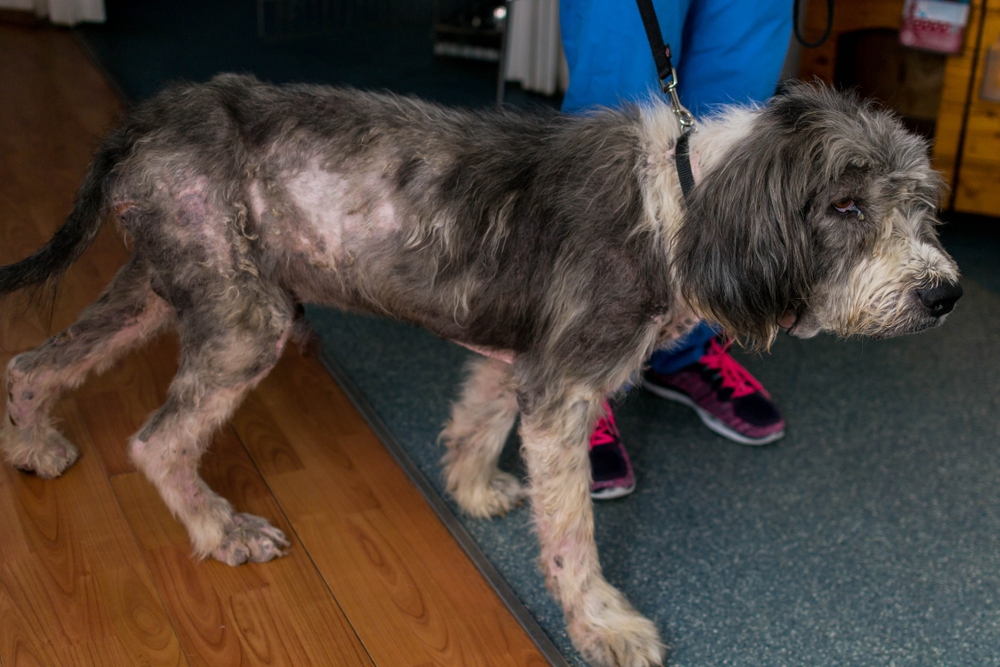
Alopecia is the medical term for partial or complete hair loss resulting from skin irritation, hormonal imbalances, parasites, or psychological stress. While all pets shed naturally, bald patches, excessive scratching, or persistent overgrooming signal something more serious.
Hair loss can appear suddenly or develop gradually, affecting one area or spreading across the body. The pattern, location, and accompanying symptoms help veterinarians narrow down potential causes and create effective treatment plans.
Recognizing hair loss early allows for faster diagnosis and relief. Whether your pet is scratching constantly or developing symmetrical bald spots without itching, veterinary evaluation provides answers and restores comfort.
Common Causes Behind Your Pet’s Hair Loss
Hair loss is a symptom with many possible triggers. Only thorough veterinary diagnostics can confirm the exact reason and guide appropriate treatment.
Allergies: The Leading Culprit for Itching and Bald Patches
Allergies rank among the most common causes of hair loss in both dogs and cats. Environmental allergens like pollen, dust, and mold, along with food sensitivities, trigger inflammation that leads to relentless scratching and chewing.Causes of allergies vary widely, but most affected pets develop red, irritated skin and hair loss around the paws, face, ears, and belly. Cats often respond differently, overgrooming themselves until bald spots appear on their abdomen or legs.
Parasites That Damage a Pet’s Coat
Parasites and infections attack the skin directly, causing inflammation, irritation, and patchy hair loss. Fleas, mites, and fungal infections like ringworm all create visible damage that worsens without treatment.
Mites burrow into the skin or hair follicles, causing intense itching and crusty lesions. Spotting and treating mites in dogs requires veterinary diagnosis through skin scrapings, as different mite species require specific treatments.
Flea allergy dermatitis deserves special attention. Even a single flea bite can trigger severe reactions in sensitive pets. A pet’s flea allergy can cause intense itching concentrated near the tail base and back legs, leading to hair loss and open sores.
Prevention remains the best defense against flea-related hair loss. Year-round parasite prevention for pets is critical, as consistent protection eliminates the risk of fleas and mites causing significant problems.
Skin Infections That Trigger Hair Loss
Skin infections often develop after the skin barrier has been damaged by allergies, parasites, or persistent scratching. Once the surface is broken, bacteria and fungi can easily enter, leading to inflammation, discomfort, and progressive hair loss.
Bacterial infections are particularly common. When the skin becomes irritated from constant licking or chewing, naturally occurring bacteria can multiply rapidly. This leads to pustules, scabs, foul odour, and thinning hair across the affected area. Without timely treatment, these infections can spread or develop into deep pyoderma, which is painful and far more difficult to resolve.
Fungal infections also play a significant role in hair loss. Ringworm, one of the most recognisable fungal conditions, spreads through contact with infected animals or contaminated surfaces, producing circular bald patches with scaly edges. However, yeast infections are equally important to consider. Overgrowth of Malassezia yeast- often secondary to allergies or moisture trapped in skin folds- leads to greasy skin, redness, itchiness, and patchy hair loss, especially around the ears, paws, and armpits.
Many of these infections look similar to allergies at first glance, which is why proper diagnostics are essential. Identifying whether a pet is dealing with bacteria, yeast, or a combination of both ensures the right medications are chosen from the start. Our diagnostic capabilities include fungal cultures, cytology, and other in-clinic tests to pinpoint the cause of infection quickly and accurately, helping pets heal faster and preventing the cycle of repeat infections.
Hormonal Imbalances That Cause Symmetrical Hair Loss
When hair loss appears symmetrical and non-itchy, hormonal disorders are often responsible. These internal imbalances disrupt normal hair growth cycles, causing fur to thin or fall out in matching patterns on both sides of the body.
- Hypothyroidism slows metabolism and affects multiple body systems. Hypothyroidism in dogs causes brittle, thinning hair, darkened skin, weight gain, and lethargy. Blood work confirms diagnosis, and daily medication restores normal thyroid function.
- Cushing’s disease results from excess cortisol production, leading to thin skin, a pot-bellied appearance, increased thirst, and progressive hair loss. Treating Cushing’s disease in dogs requires ongoing management and monitoring to control symptoms and prevent complications.
- Sex hormone imbalances occasionally cause hair loss in unneutered males with hormonal-producing tumors. Testicular tumors in dogs can lead to feminization, symmetrical alopecia, and behavioral changes that resolve after surgical removal.
The importance of blood work for your dog becomes clear when diagnosing hormonal conditions. Comprehensive panels evaluate thyroid function, adrenal activity, and overall health, providing the information needed for accurate diagnosis and treatment.
Inherited Conditions That Affect Specific Pet Breeds
Some breeds carry genetic predispositions to specific types of hair loss. These inherited conditions follow predictable patterns and typically appear at certain life stages.
- Color dilution alopecia in dogs affects breeds with dilute coat colors like blue or fawn. Hair becomes brittle and breaks easily, creating patchy thinning that usually begins between six months and three years of age.
- Canine flank alopecia causes seasonal, cyclical bald patches along the sides of the body. This condition primarily affects breeds like Bulldogs, Boxers, and Airedales, with hair loss occurring during fall and winter months before regrowing in spring.
Stress, Anxiety, and Compulsive Grooming Behaviors in Pets
Psychological factors can trigger excessive grooming, particularly in cats. Psychogenic alopecia develops when stress, anxiety, or environmental changes lead pets to overgroom specific areas, creating symmetrical bald patches without visible skin disease.
Feline life stressors include changes in routine, new pets or family members, moving to a new home, or lack of environmental enrichment. Cats typically target their belly, inner thighs, or forelegs, grooming these areas obsessively when feeling anxious or bored.
Addressing the underlying stress through environmental modifications, increased play, and anxiety-reducing strategies often resolves the behavior. Some pets benefit from pheromone diffusers or behavior counseling to identify and eliminate triggers.
Nutritional Deficiencies and Grooming Practices
Poor nutrition, harsh grooming products, or inadequate coat care can all damage hair and skin. Diets lacking essential fatty acids, proteins, or vitamins fail to support healthy hair growth, leading to dull, brittle coats that break easily.
Why pets need regular grooming extends beyond appearance. Consistent brushing distributes natural oils, removes dead hair, and allows early detection of skin problems. Matted fur pulls on skin and creates moisture-trapping environments where infections thrive.
How Veterinarians Identify the Root Cause of Pet Hair Loss
Determining why your pet is losing hair requires thorough veterinary examination and targeted testing. Our team uses a systematic approach to evaluate every possibility and pinpoint the exact cause.
What does a diagnostic workup include?
A complete evaluation typically involves physical examination of the skin and coat, assessment of hair loss patterns, and medical history review. Depending on initial findings, your veterinarian may recommend:
- Skin scrapings to detect mites or bacterial infections
- Fungal cultures to identify ringworm
- Cytology to examine skin cells and identify yeast or bacteria
- Blood work to evaluate thyroid, adrenal, and organ function
- Allergy testing or dietary elimination trials
- Behavioral assessment for stress-related grooming
Our wellness and prevention services emphasize catching problems early, when treatment is most effective and least invasive. Proper diagnosis prevents wasted time on ineffective treatments and ensures your pet receives targeted care that addresses the real problem.
Partnering for Your Pet’s Skin Health
Most cases of hair loss respond well to treatment once the underlying cause is identified. With professional diagnostics, targeted therapy, and consistent follow-up care, your pet can regain a healthy, shiny coat and return to comfort.
At Wales Animal Clinic, we combine gold-standard veterinary medicine with a personal approach that treats every pet like family. Whether your dog, cat, guinea pig, or rabbit is experiencing hair loss, our team has the expertise and diagnostic tools to find answers.
If you’ve noticed bald spots, excessive scratching, or changes in your pet’s coat texture, contact us to schedule an evaluation. Early action leads to faster relief and better long-term outcomes for your companion.




Leave A Comment